
Men’s fragrance for autumn and winter: why sweet-woody scents suit the season
Why sweet-woody men’s fragrances with vanilla, tonka bean and tobacco work better in the cold months than fresh summer scents – and what to look for when buying one.
There is a moment each year when your summer fragrance suddenly feels wrong. The air turns cooler, the jackets heavier – and the citrus note that sat perfectly in July sounds thin in October. That is not your imagination, it is physics. And it is the reason why sweet-woody fragrances have their season right now.
Autumn and winter suit fragrances with heavy base notes – vanilla, tonka bean, amber, tobacco and sandalwood. They need body warmth to unfold and they benefit from cold surrounding air. Light citrus and aquatic fragrances, by contrast, lose noticeable effect in the cold.
- Switching point: from roughly 15 degrees downwards
- Good combination: sweet warmth plus a dry counterweight
- Concentration: eau de parfum, not eau de toilette
- Dosage: two sprays are enough, even in winter
Why cold changes a fragrance
Fragrance molecules have to evaporate before you can smell them. Evaporation needs warmth. At 30 degrees a light citrus fragrance rises immediately – and is finished after two hours. At 8 degrees the same thing happens in slow motion: the fragrance stays on the body, the light molecules barely get moving, and a fresh summer scent suddenly seems pale.
Heavy molecules, on the other hand – resins, woods, vanillin, amber – need body warmth to unfold in any case. They benefit from exactly the situation that weakens light fragrances: cold surrounding air, warm skin, thick clothing that holds the scent.
| Temperature | What happens | Suitable fragrance family |
|---|---|---|
| above 25 °C | Everything evaporates quickly, sweetness is amplified | Citrus, aquatic, aromatic |
| 15–25 °C | Balanced, almost everything works | Woody, fougère, lightly spiced |
| 5–15 °C | Light notes lose out, heavy ones come into their own | Sweet-woody, oriental |
| below 5 °C | Only heavy base notes remain perceptible | Amber, tobacco, leather, vanilla |
What “sweet-woody” actually means
The term describes a fragrance family that joins two poles. On one side the sweet, warming raw materials, on the other the dry ones that give structure:
| Raw material | Role | Character |
|---|---|---|
| Vanilla | Sweet warmth | Creamy, soft, read as warm immediately |
| Tonka bean | Sweet warmth | Almondy, of hay and caramel, drier than vanilla |
| Amber | Depth and longevity | Resinous-sweet, lightly balsamic |
| Sandalwood | Structure | Milky-woody, rounds off rather than scratches |
| Cedarwood | Structure | Dry, pencil-like, gives contour |
| Tobacco | Counterweight | Dark, lightly smoky, takes the kitsch out of the sweetness |
Good sweet-woody fragrances live on the tension between the two sides. Tip too far into the sweetness and it turns gourmand and quickly interchangeable; remove the sweetness altogether and the fragrance feels severe. Which of these raw materials appears in which phase is explained in our piece on the fragrance pyramid.
Why this family works so well for men
Classic men’s fragrances were aquatic or fougère for a long time – fresh, clean, functional. Sweet-woody compositions do something else: they create closeness. They work at one metre rather than ten. That makes them evening fragrances in the best sense – for situations where you are standing close to one another anyway.
There is a practical point too: these raw materials are heavy and they cling. A sweet-woody eau de parfum survives an evening without you having to take the bottle along.
What to look for when buying
- Test on skin, not on paper. With vanilla and amber in particular, skin pH decides the outcome. On a test strip you only smell the top note.
- Give the fragrance 30 minutes. Sweet-woody compositions often open with spice or citrus and only then become what they really are.
- Look for the counterweight. A good fragrance in this family always has something dry about it – wood, tobacco, leather, spice. Without that it turns heavy after an hour.
- Choose an eau de parfum. These raw materials need concentration. As a light toilette version, little of them is left.
- Apply sparingly. Two sprays are enough. In winter the cold does not carry a fragrance far – compensate for that with quantity and you will be unpleasantly loud the moment you step into a heated room.
- Don’t buy in an overheated department store. Everything smells sweeter and more intense there than it will outside at eight degrees. If you can, take a sample out with you.
Switching over the course of the year
You do not need twelve fragrances. Two are enough for most people: a light one for the warm months, a heavy one for the cold. It is worth switching from around the middle of October, and back again from April.
In the transitional weeks there is a trick that works: wear the same heavy fragrance with one spray less and put it only on your chest instead of your throat. It then stays closer to the body and feels lighter, without you having to replace it. How the point of application affects the result is covered in our seven mistakes when applying fragrance.
Braise: built for the cold season
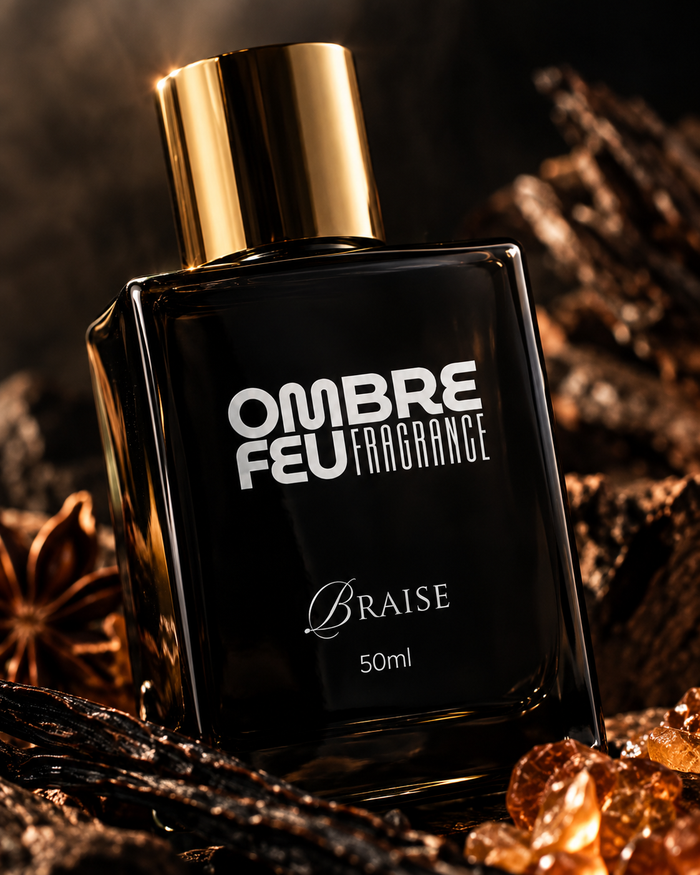
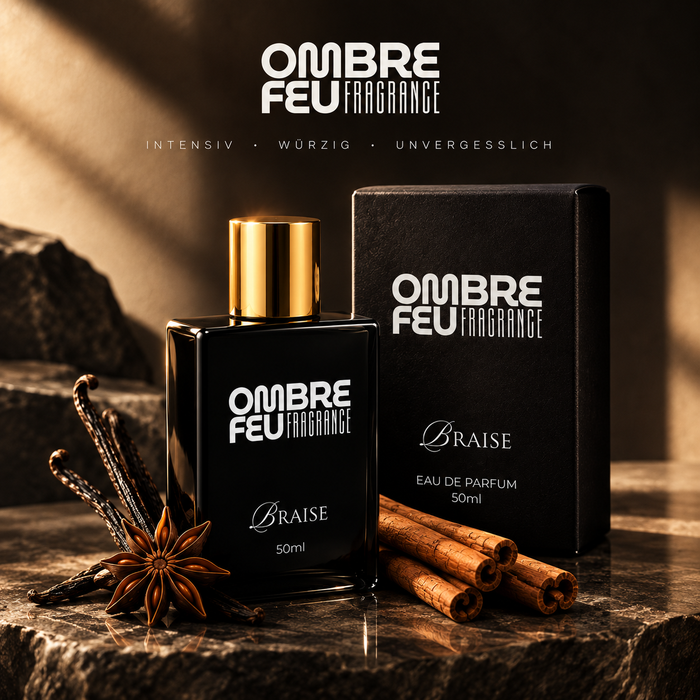
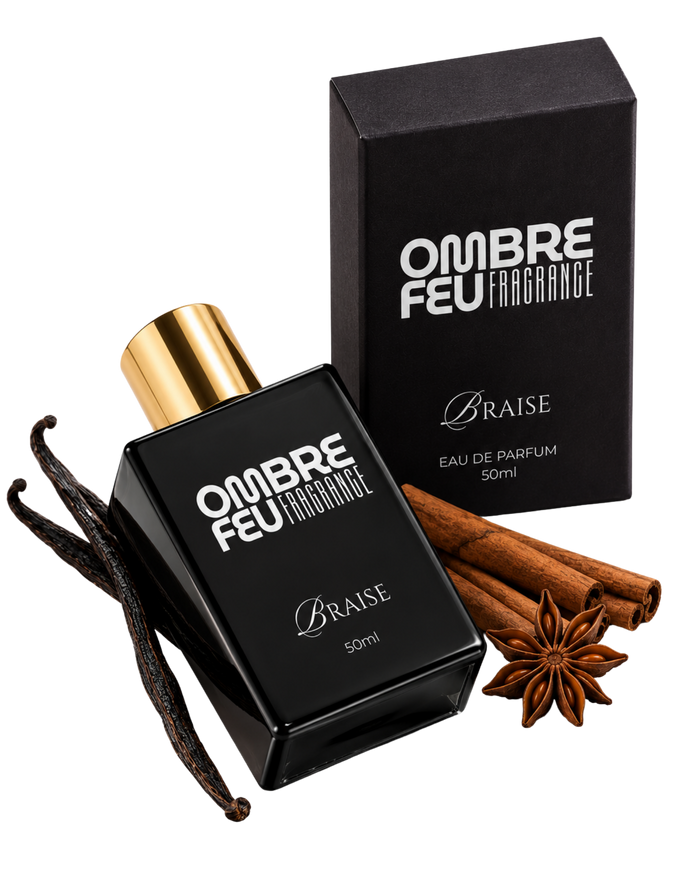
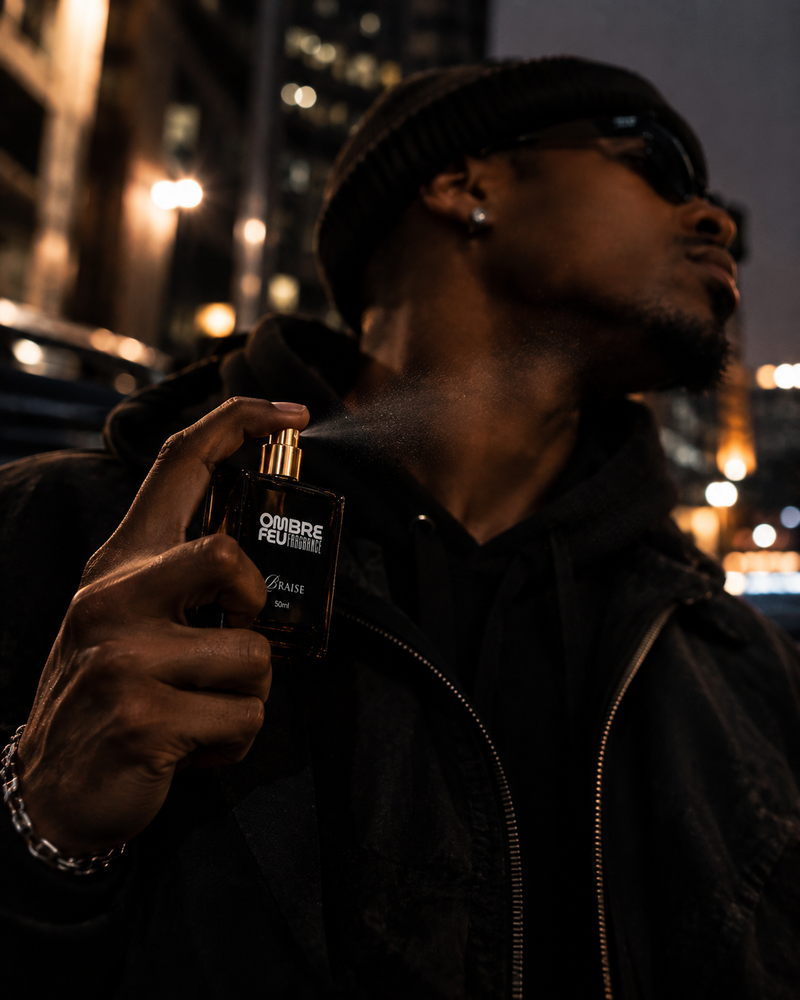
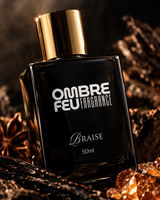
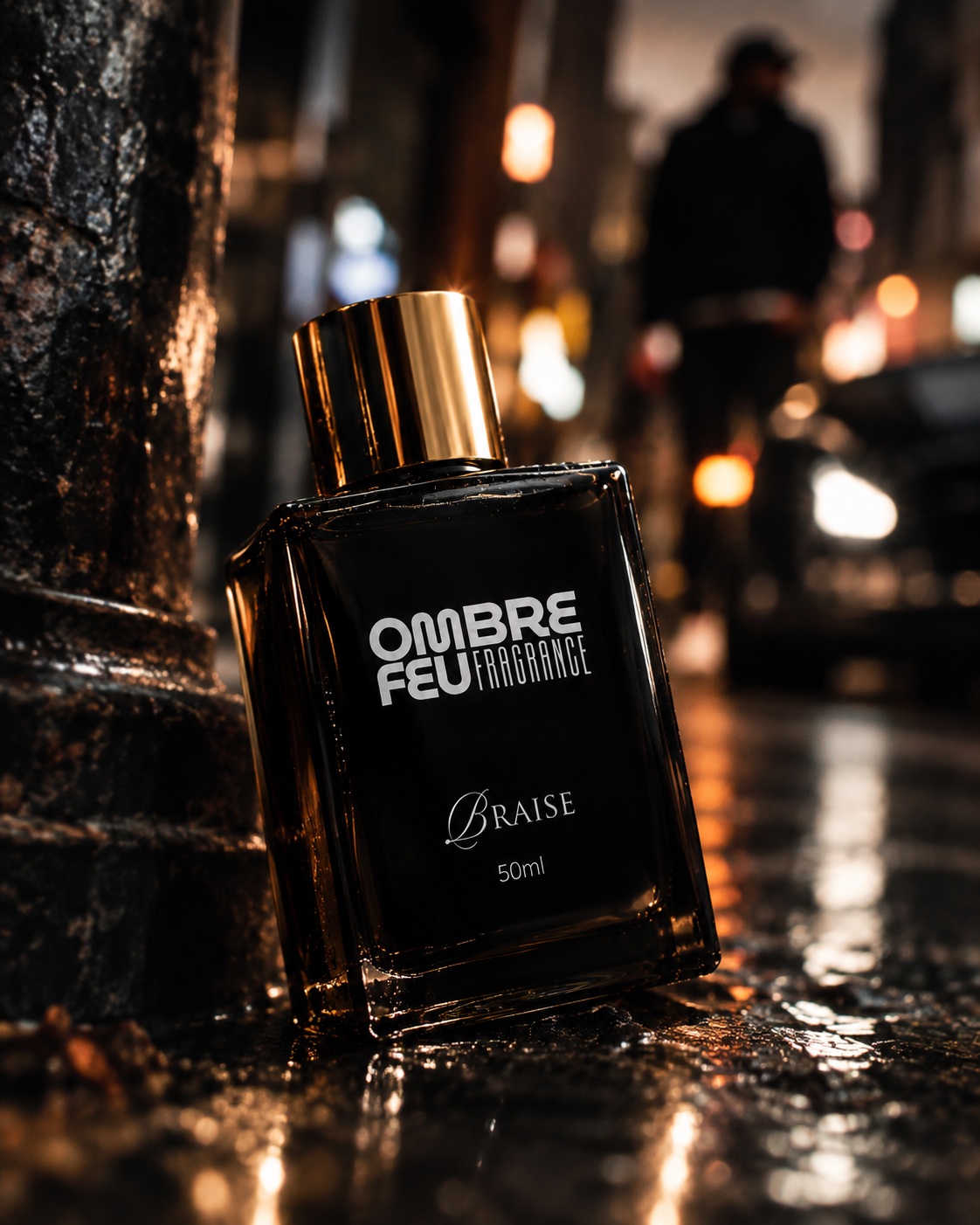
Braise #1 is composed along exactly this tension. The opening of cardamom, pink pepper and bergamot keeps the fragrance awake, the heart of cinnamon, iris and clary sage gives it structure, and the base of vanilla, tonka bean, tobacco, sandalwood and amber supplies the warmth an October evening calls for. It is released on 1 November 2026 – precisely in time for the season.
How this fragrance came about is the subject of “Why Braise?”. And how long it stays on the skin is covered in our piece on longevity.