
How to spot a counterfeit perfume: 9 telling signs
How to recognise a counterfeit perfume before you spray: nine concrete signs on the packaging, the bottle and the scent itself, plus why counterfeit fragrances are a health risk.
Perfume is among the most frequently counterfeited products of all. The reasons are simple: high margins, small parcels, plenty of demand. The good news is that most counterfeits can be identified before they ever reach the skin, provided you know what to look for.
The most reliable way to spot a counterfeit perfume is through the mandatory information on the packaging: a complete INCI list, a responsible person with an address in the EU, a batch number and clean printing. If one of those is missing, something is wrong. The scent itself gives the counterfeit away only afterwards, through a sharp opening and a lack of longevity.
- Check the packaging first, then the bottle, and the scent last
- A price 80 per cent below the usual level is almost always a warning sign
- Never apply it to the skin if you have doubts
- Testers and decants are not counterfeits
Why this is about more than money
Before it goes on sale, an original goes through a safety assessment under the EU Cosmetics Regulation. A product information file exists, every ingredient is listed, fragrance substances subject to declaration such as linalool or coumarin are named, and a responsible person in the EU is liable for all of it.
A counterfeit goes through none of this. Seizures regularly turn up substances that are not permitted in cosmetics. The most common consequence is a skin reaction: redness, itching, and in isolated cases contact eczema. That is the real reason to look closely, not the money lost on the purchase.
The nine signs
1. The cellophane wrap
Original film sits tight, is cleanly sealed along the edges and usually has one small, straight seam. Counterfeit film looks loose, has creases or crooked seals, or can be shifted without any resistance. A very strong smell of plastic when you open it is another bad sign.
2. Print quality and typography
Hold the box at an angle to the light. Originals have sharp edges on the letters, even spacing and clean colour gradients. Counterfeits often show slightly blurred edges, uneven line spacing or a marginally wrong shade of colour. Typos have become rare, but it is worth reading the spelling of the brand name carefully.
3. The mandatory information
This is the strongest sign, because it is where counterfeiters are almost always careless. Every pack sold in the EU has to state:
| Information | What to check |
|---|---|
| Responsible person | Name and full address in the EU, not just a country name |
| INCI list | Complete, beginning with Alcohol or Aqua, allergens included |
| Nominal content | In millilitres, identical on the carton and on the bottle |
| Batch number | Present on the carton and on the base of the bottle, and identical |
| Warnings | Flammability warning, and the leaflet symbol where applicable |
Different batch numbers on the carton and the bottle are a very clear sign. On originals they match.
4. The glass
Original bottles have glass of even thickness with no bubbles, clean joins and a flat base. Counterfeits often show trapped air, sharp mould seams along the sides or a slight lean when standing.
5. The atomiser
An original produces a fine, even mist with a dry click. Counterfeits often shoot a coarse jet, drip afterwards, or have an audibly soft, spongy pressure point. The dip tube is worth a look too: it should run straight down into the lower corner, not bend and stop halfway.
6. The cap
It should sit firmly and click into place noticeably. If it wobbles or can be put on crooked, take that as a hint. On many brands the cap also has a certain weight to it, and a very light plastic cap on a supposedly high-priced fragrance does not add up.
7. The colour of the liquid
Compare it with the manufacturer's product photographs. Counterfeits are often noticeably darker or strikingly intense in colour. One caveat: an original that has been kept too long also darkens, but then the other signs will not be there as well.
8. The opening
Only now the scent, and to begin with on a test strip. In the first moment counterfeits often smell sharply alcoholic, because the alcohol content is higher and the quality poorer. On an original the alcohol note lifts within seconds.
9. The development
The most reliable sign of all in the scent itself. An original develops over hours, from the top note through the heart note to the base note. A counterfeit smells flat after twenty minutes and has disappeared after one to two hours, because the expensive base materials are missing. Our piece on top, heart and base notes describes what that development looks like in a genuine fragrance.
Where counterfeits turn up most often
- Marketplaces with third-party sellers. Pay attention to who actually ships the item, not only to the platform logo.
- Social media shops with no company details. Where there is no address for service, there is no liability either.
- Holiday purchases. Particularly at markets and in street shops outside the EU.
- Offers far below market price. The grey market accounts for 30 to 50 per cent. It does not account for 80.
What to do if you have bought one
- Do not apply it. Neither to skin nor to clothing.
- Complain to the seller. Selling a counterfeit is a defect in the goods, and you are entitled to unwind the purchase.
- Secure the evidence. Keep the packaging, the bottle, the invoice and a screenshot of the listing page.
- Notify the platform. Through buyer protection and the reporting function for trade mark infringement.
Why we have no counterfeits to worry about, and can still be checked
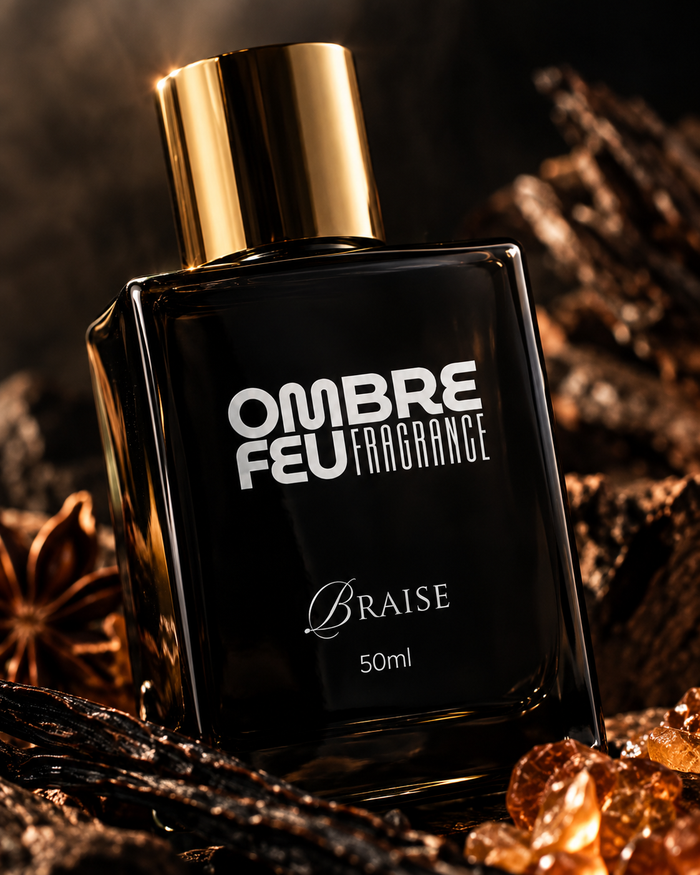
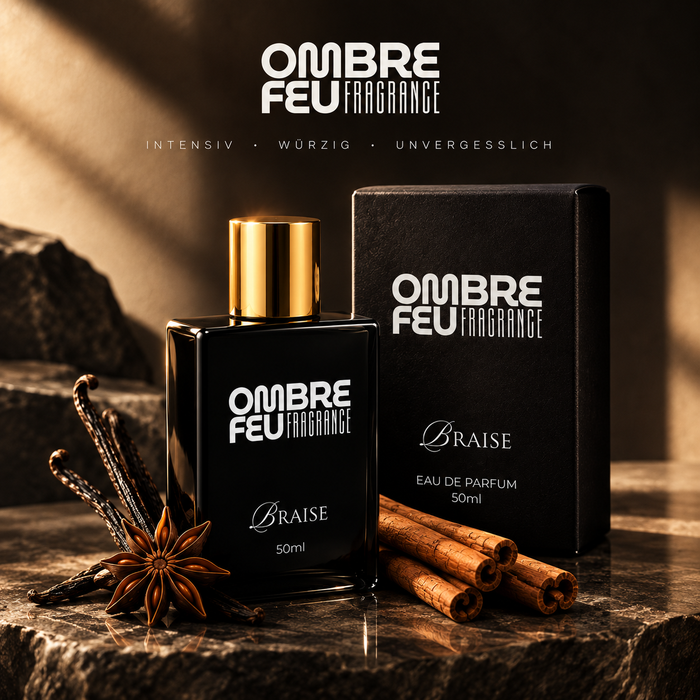
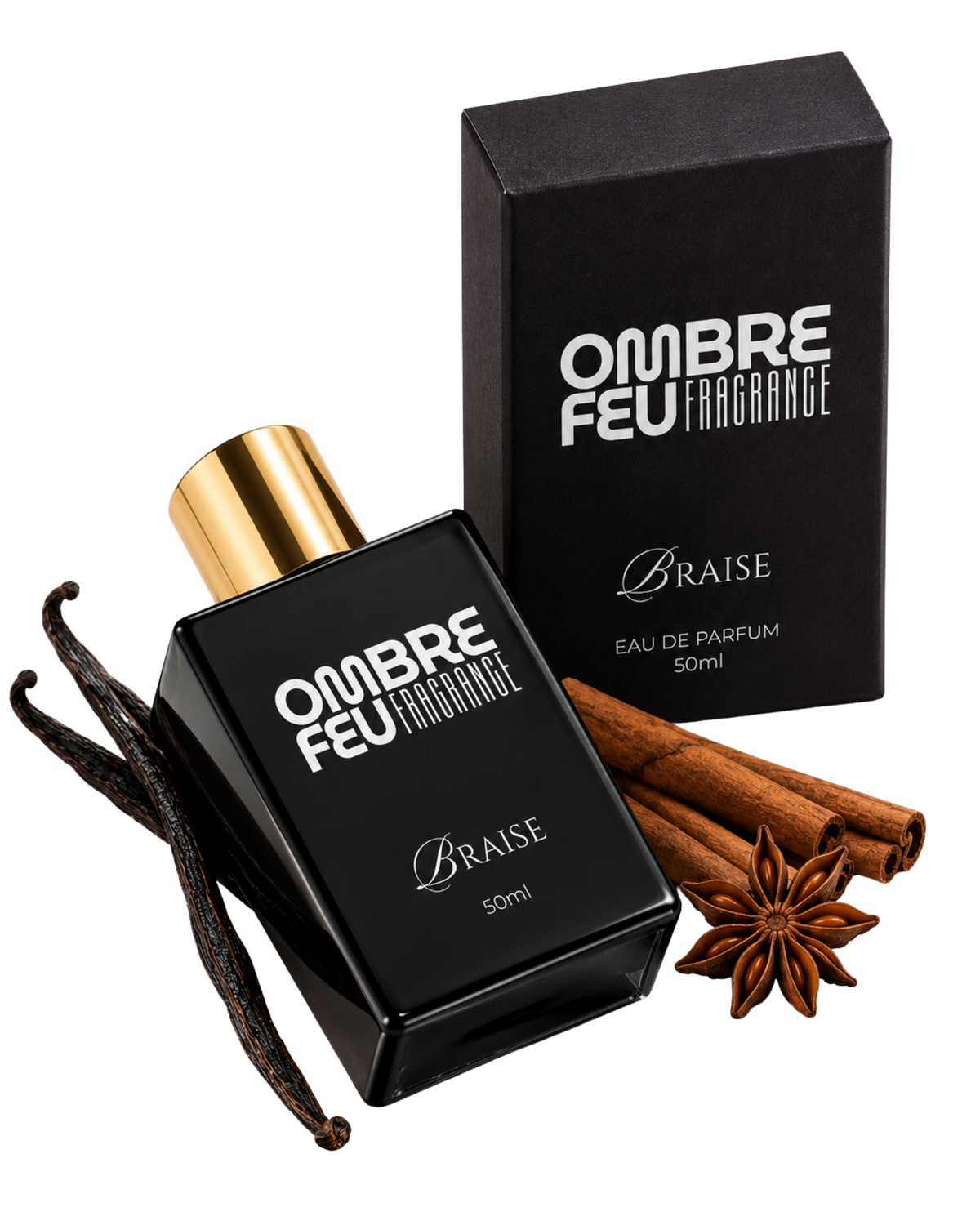
Braise #1 is composed and bottled in Germany and sold exclusively through this shop. There are no intermediaries and no grey market goods, and therefore no price gap in which counterfeits would be worth making.
All the mandatory information, from the responsible person to the ingredients and the fragrance substances subject to declaration, is on our ingredients and product safety page and in the legal notice. Precisely the details whose absence is the first warning sign described above.