
Eau de parfum or eau de toilette? The difference, explained simply
Eau de parfum, eau de toilette, extrait: the difference lies in the fragrance oil concentration – and it decides longevity, intensity and price. An overview with percentages and a clear recommendation.
Two bottles, the same fragrance name, thirty euros between them. One says “eau de toilette”, the other “eau de parfum”. The difference is not marketing – it is measurable. And it decides how long your fragrance lasts and how close someone has to get to smell it.
Eau de parfum and eau de toilette differ in one respect only: the share of fragrance oil. An eau de toilette contains roughly 5 to 15 per cent and lasts three to five hours; an eau de parfum around 15 to 20 per cent and lasts five to eight. A higher concentration means longer and deeper – not automatically louder.
- Everyday wear, all day: eau de parfum
- Summer, heat, the office: eau de toilette
- Special evenings, very close to the skin: extrait de parfum
- Work out the price per day worn, not per millilitre
The only difference that matters: concentration
At its core, every perfume consists of three things: fragrance oils, alcohol as a carrier and a small amount of water. The label on the bottle says nothing other than the share of fragrance oils. The higher it is, the more intense and longer-lasting the fragrance – and the more expensive it is to make.
Everything else that gets sold as a difference – “higher-grade raw materials”, “finer bottling” – is not a property of the concentration tier but a decision made by the house.
The concentration tiers at a glance
| Designation | Fragrance oil share | Longevity on skin | Best for |
|---|---|---|---|
| Eau de cologne (EdC) | approx. 2–5 % | 1–2 hours | Refreshment, very hot days |
| Eau de toilette (EdT) | approx. 5–15 % | 3–5 hours | Summer, the office, daytime wear |
| Eau de parfum (EdP) | approx. 15–20 % | 5–8 hours | All day, autumn and winter, evenings |
| Extrait de parfum | approx. 20–40 % | 8–12 hours | Special occasions, very close to the skin |
The percentages are guide values, not a standard. No law defines the point at which something may be called “eau de parfum” – reputable houses stick to these ranges anyway. If you want certainty, test the longevity yourself: a fragrance that has vanished after four hours was not an eau de parfum, whatever the bottle says.
A higher concentration does not automatically mean “louder”
A widespread misconception: that an extrait is a cloud of perfume and an eau de toilette a whisper. In reality it is often the other way round. Because it contains less alcohol, a highly concentrated fragrance evaporates more slowly – it stays closer to the body and therefore reads as more intimate, not louder.
Reach, which the fragrance world calls sillage, depends more on the raw materials used than on the concentration. An eau de toilette with plenty of musk and Ambroxan can fill a room far more than an extrait built on iris and sandalwood.
Remember the split like this: concentration mainly governs duration, the raw materials govern reach.
The same fragrance in two concentrations does not smell the same
This is the part almost nobody expects: when a house offers the same fragrance as an eau de toilette and as an eau de parfum, those are usually two different compositions – not the same liquid at two strengths.
In the toilette version the fresh top notes are generally reinforced so that the fragrance registers immediately despite the lower concentration. In the eau de parfum the weight sits on the heart and base – on wood, resin, vanilla and amber. Which is why it is worth testing both rather than automatically reaching for the more expensive one. How that structure shifts over the day is explained in our article on top, heart and base notes.
What does a day of wear actually cost you?
The price per millilitre is the most misleading figure in perfumery, because it ignores how much you need per application. Calculate it this way instead: one spray releases about 0.1 millilitres.
| Concentration | Sprays per day | Consumption | Days of wear from 50 ml |
|---|---|---|---|
| Eau de toilette | 4 | approx. 0.4 ml | approx. 125 |
| Eau de parfum | 2–3 | approx. 0.25 ml | approx. 200 |
| Extrait de parfum | 1–2 | approx. 0.15 ml | approx. 330 |
An eau de parfum at 80 euros therefore costs around 40 cents a day. An eau de toilette at 60 euros comes to almost 50 cents – even though it was cheaper per millilitre. The figures are averages and depend on the atomiser and your dosage, but the direction holds in almost every case.
What else is on the bottle?
Besides the concentration tier, every fragrance sold in the EU carries further details that help you place it:
- The nominal fill quantity in millilitres – the basis for the unit price that retailers must state under German price-indication law.
- The INCI list – all ingredients in descending order of quantity. Alcohol is almost always first.
- Fragrance substances subject to declaration such as linalool, limonene or coumarin. They are not a quality defect but natural components of many raw materials that have to be named because of possible allergies.
- The batch number – with many houses this lets you work out the bottling date. Useful for bottles bought second hand.
What should you buy?
An honest decision aid:
- You want a fragrance that outlasts the day – eau de parfum. The best ratio of longevity, depth and price.
- You mainly wear fragrance in summer or at the office – eau de toilette. Lighter, less obtrusive, more pleasant in heat.
- You are after something very personal for special evenings – extrait. Small, expensive, worn very close.
- You do not own a fragrance yet – start with an eau de parfum. It is the most forgiving of mistakes in application.
And whatever the tier: application technique often makes more difference than concentration. Our seven most common application mistakes and the nine tips for more longevity go into it.
Why Braise is an eau de parfum
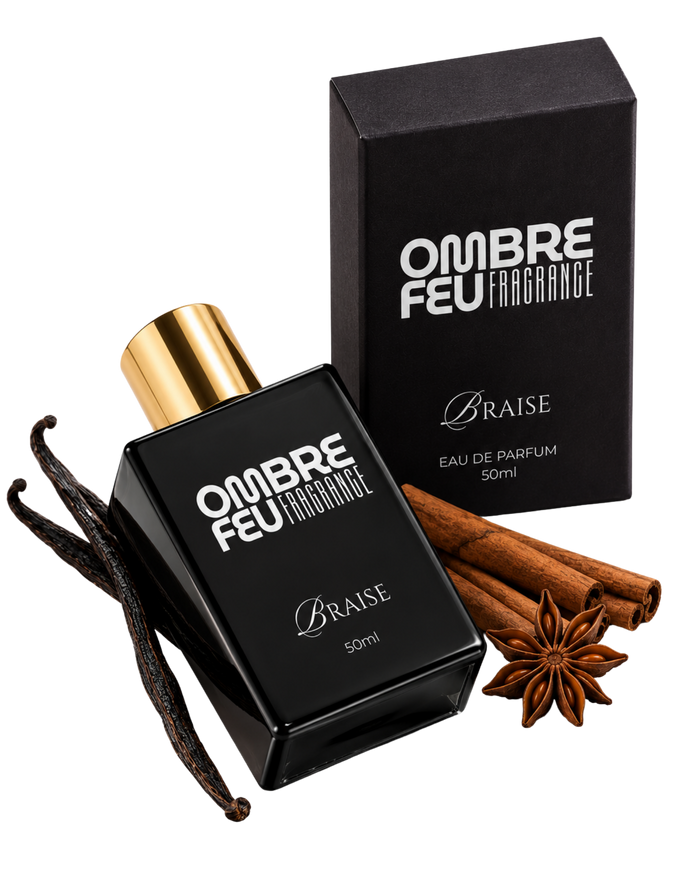
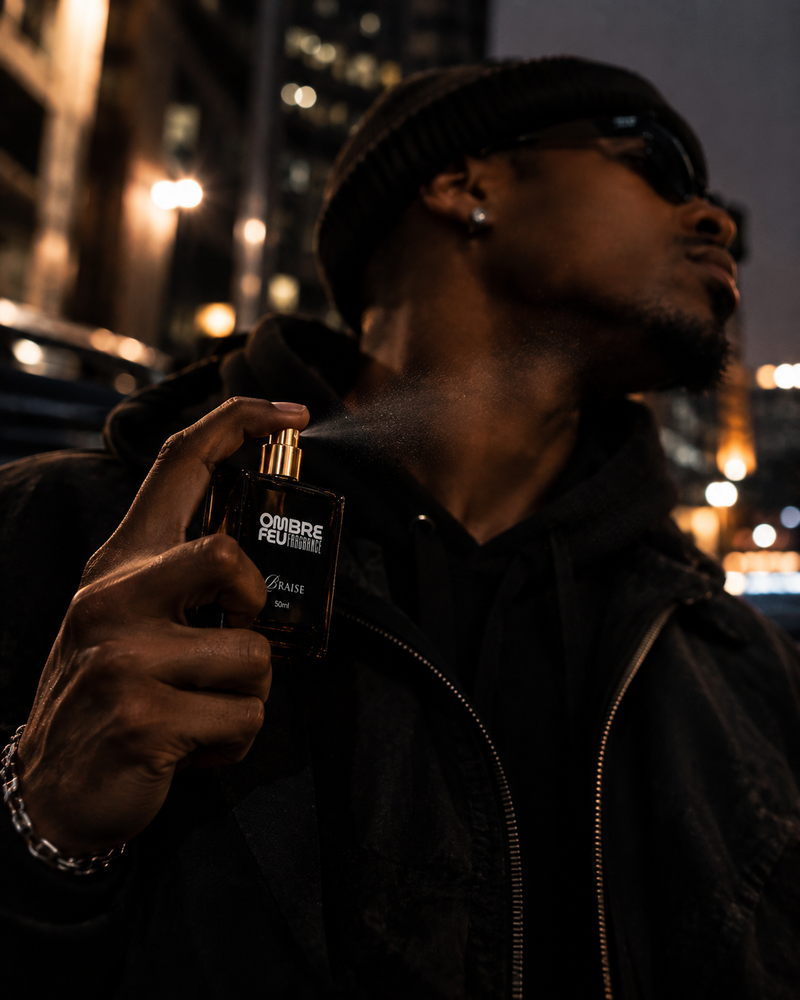
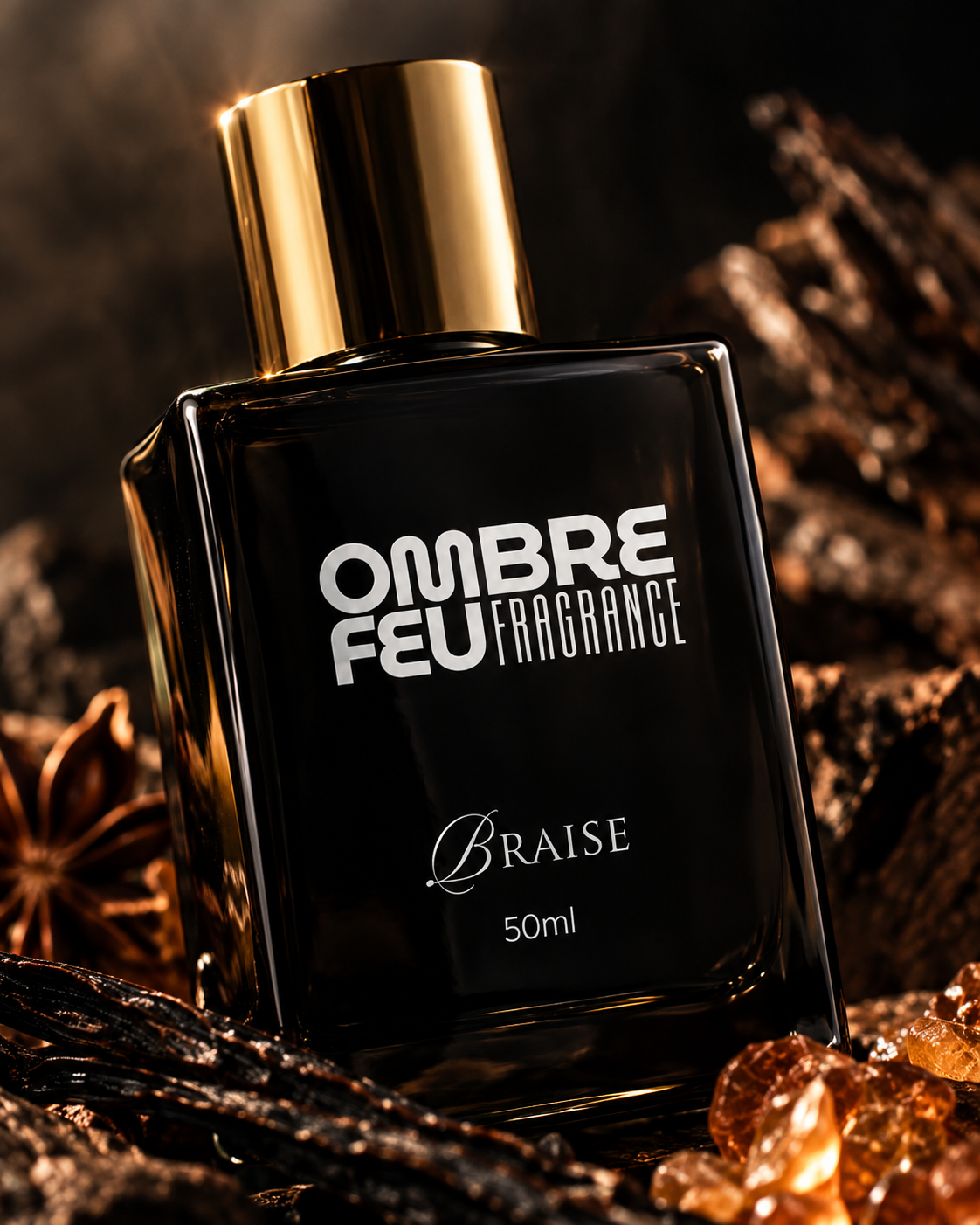
Braise lives on its base: vanilla, tonka bean, tobacco, sandalwood and amber. Those raw materials need concentration and time to unfold – in a lighter toilette version they would be gone after two hours, leaving only the spicy opening, whose job is really just to open the door.
That is why Braise #1 exists solely as an eau de parfum in 50 ml, composed and bottled in Germany. Why we settled on this fragrance family in particular is covered in our article on sweet-woody men's fragrances.