
How to apply perfume properly: 7 mistakes almost every man makes
Applying perfume properly is not an art – but most men make the same seven mistakes. Here is how to get more longevity, more sillage and more presence out of every spray.
You buy a good perfume, spray it on – and two hours later you cannot smell a thing. That is almost never the fragrance's fault. It is a question of how it is applied. Seven mistakes come up again and again. Correct them and you will get noticeably more longevity and presence out of the same bottle – with fewer sprays, not more.
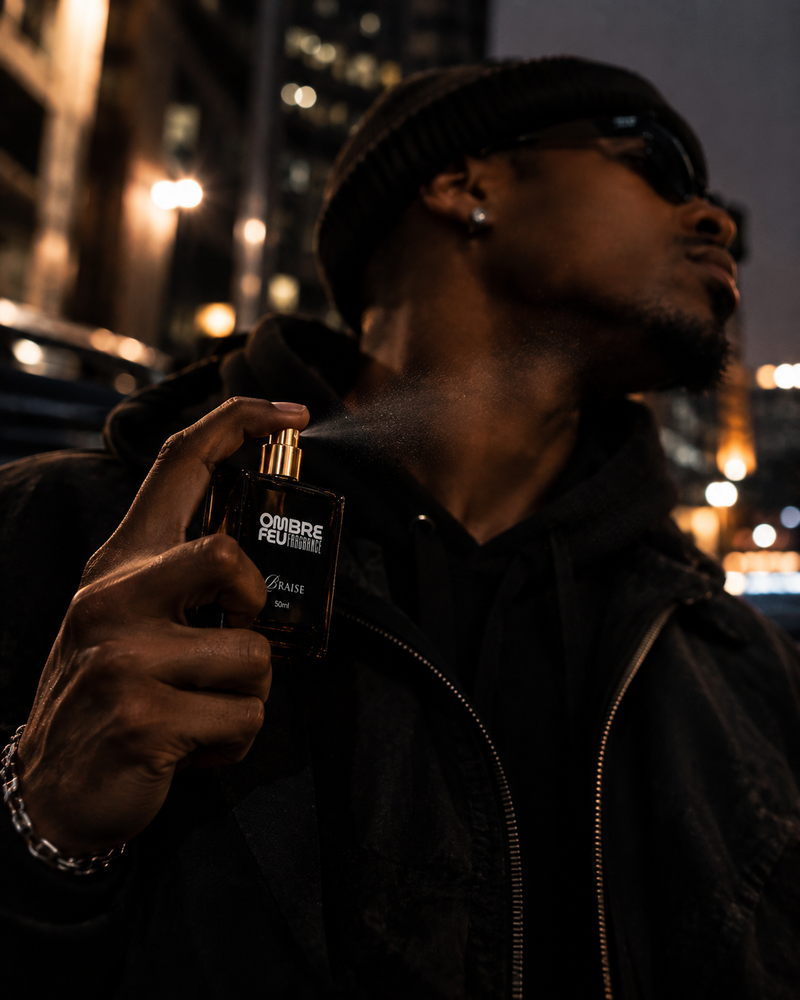
Perfume goes on warm, moisturised skin: two to four sprays from about 15 centimetres onto the neck, upper chest and wrists, and then you leave it alone. The most common mistakes are dry skin, rubbing the wrists together and storing the bottle in the bathroom.
- The single most important spot: the neck, at the side below the jaw
- The right amount: 2–4 sprays for an eau de parfum, two for heavy fragrances
- Biggest lever for longevity: unscented lotion before you spray
- Never keep it in the bathroom – light, heat and humidity break a fragrance down
1. You spray onto dry skin
Fragrance molecules need something to hold on to: oil and moisture. Dry skin offers neither – the alcohol evaporates and takes the scent with it. Apply an unscented body lotion or a drop of jojoba oil to the pulse points after showering and only then spray, and longevity improves noticeably – by hours on dry skin types.
The important word is unscented. A lotion with a fragrance of its own sits underneath your perfume and shifts it. If you have no neutral moisturiser to hand, a thin layer of plain shea butter or jojoba oil is the simplest solution.
The best moment is straight after a shower, while the skin is still warm and slightly damp. Warm skin opens a fragrance up instead of locking it in.
2. You rub your wrists together
The classic. Almost everyone does it automatically – and in doing so destroys exactly the part of the fragrance that makes it interesting. The friction creates heat, which breaks open the delicate top notes (citrus, pepper, cardamom) immediately. What is left is a flatter, sweeter scent with no opening.
The right way: spray, let it dry, do not touch. No helping it along with a towel, and no rubbing it into a jumper either. If you want to know exactly what gets lost, our article on top, heart and base notes explains it.
3. You spray your clothes instead of your skin
On fabric a fragrance does last longer – but it does not develop. A perfume is composed so that body heat opens it layer by layer over hours: first the top note, then the heart, then the base. On cotton none of that happens; you smell the same slice of it for hours.
On top of that, oils and dyes can stain light fabrics, silk and wool above all. Pearls, silver and leather do not take alcohol well either. If you want to spray clothing, keep it to the inside of a collar as a supplement – the main part belongs on skin.
4. You hit the wrong spots
Pulse points are places where blood vessels sit close under the skin and give off heat steadily. That is where a fragrance works best – but not every spot does the same job.
| Spot | Effect | Longevity |
|---|---|---|
| Neck, at the side below the jaw | The scent rises, and is what other people notice first | Very good |
| Upper chest | Warm, usually covered – the fragrance gathers under your clothes | Best |
| Wrists | Close, personal, easy to dose | Medium, suffers from hand washing |
| Nape and behind the ears | Works only at close range, ideal for intimacy | Good |
| Inner elbows and behind the knees | Warms up again as you walk, but barely carries upwards | Medium |
| Walking through a cloud of spray | Distributes the scent around the room instead of on you | Poor |
If you have to pick a single spot: the neck. From there the fragrance rises with your body heat and reaches exactly the height at which the person opposite you notices it.
5. You spray too much – or too close
More perfume does not mean more effect, only more volume. Two to four sprays are plenty for an eau de parfum; for heavy, sweet-woody fragrances, two. Keep about 15 centimetres of distance so the mist spreads instead of collecting as a wet patch.
A good test: if you can still clearly smell your own fragrance after an hour, it was too much. Your nose normally adjusts to it within twenty to thirty minutes – other people can still smell you at that point.
The right order, in four steps
- Shower and dry off. The skin may be warm, but no longer wet.
- Apply unscented moisturiser – thinly, to neck, chest and wrists.
- Spray, 15 centimetres away, two to four sprays, no rubbing.
- Wait a minute, then get dressed. The alcohol evaporates and nothing transfers to the fabric.
6. You ignore the occasion and the season
A fragrance that is perfect in a restaurant in the evening can be too much in an open-plan office in the morning. That is not a question of quality, but of dosage and surroundings.
Rule of thumb: one spray fewer during the day and indoors, one more in the evening and in the cold. Cold slows evaporation – in winter a fragrance needs more warmth to unfold, while in summer heat mostly amplifies the sweetness. Which fragrance families work best in the cold season is covered in our article on men's fragrances for autumn and winter.
7. You keep the bottle in the bathroom
Light, heat and humidity are every perfume's three enemies. All three live in the bathroom. Heat and UV light break the fragrance molecules down and the scent turns – it starts to smell sour or metallic even though the bottle is still half full.
Better: dark, cool, upright, in its box. A bedroom cupboard is ideal. More on that, including how long an opened bottle stays good at all, in “How long does perfume last?”.
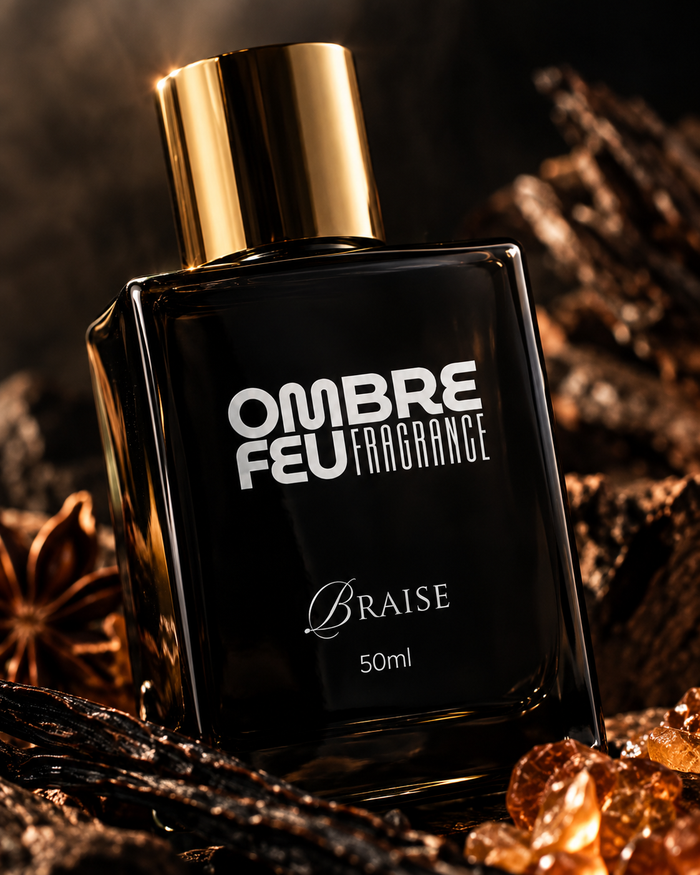
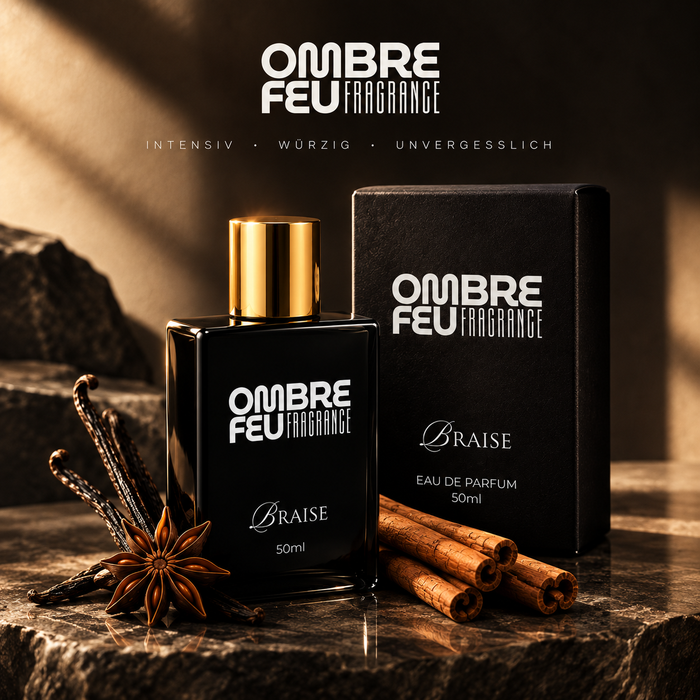
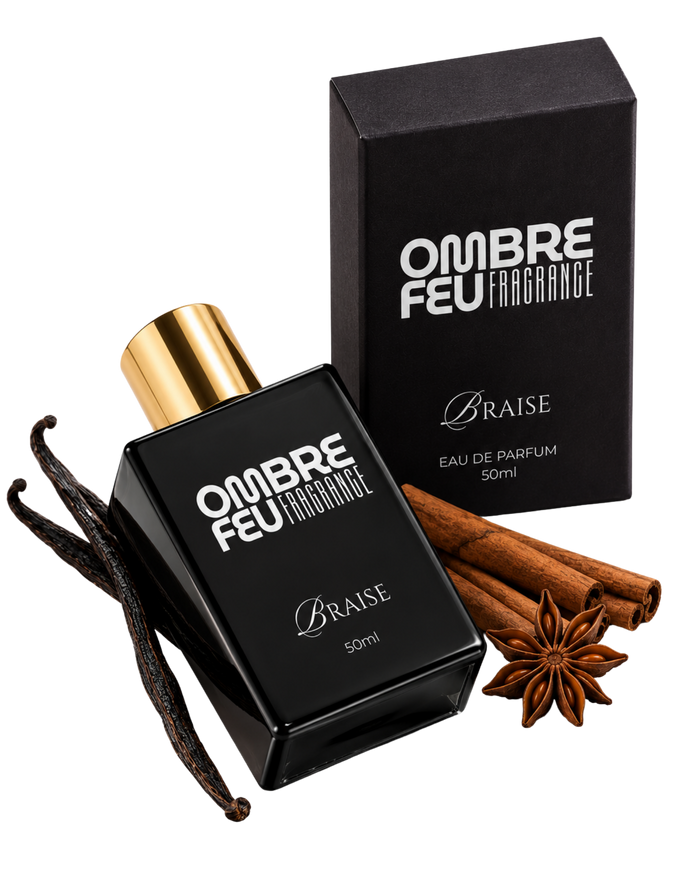
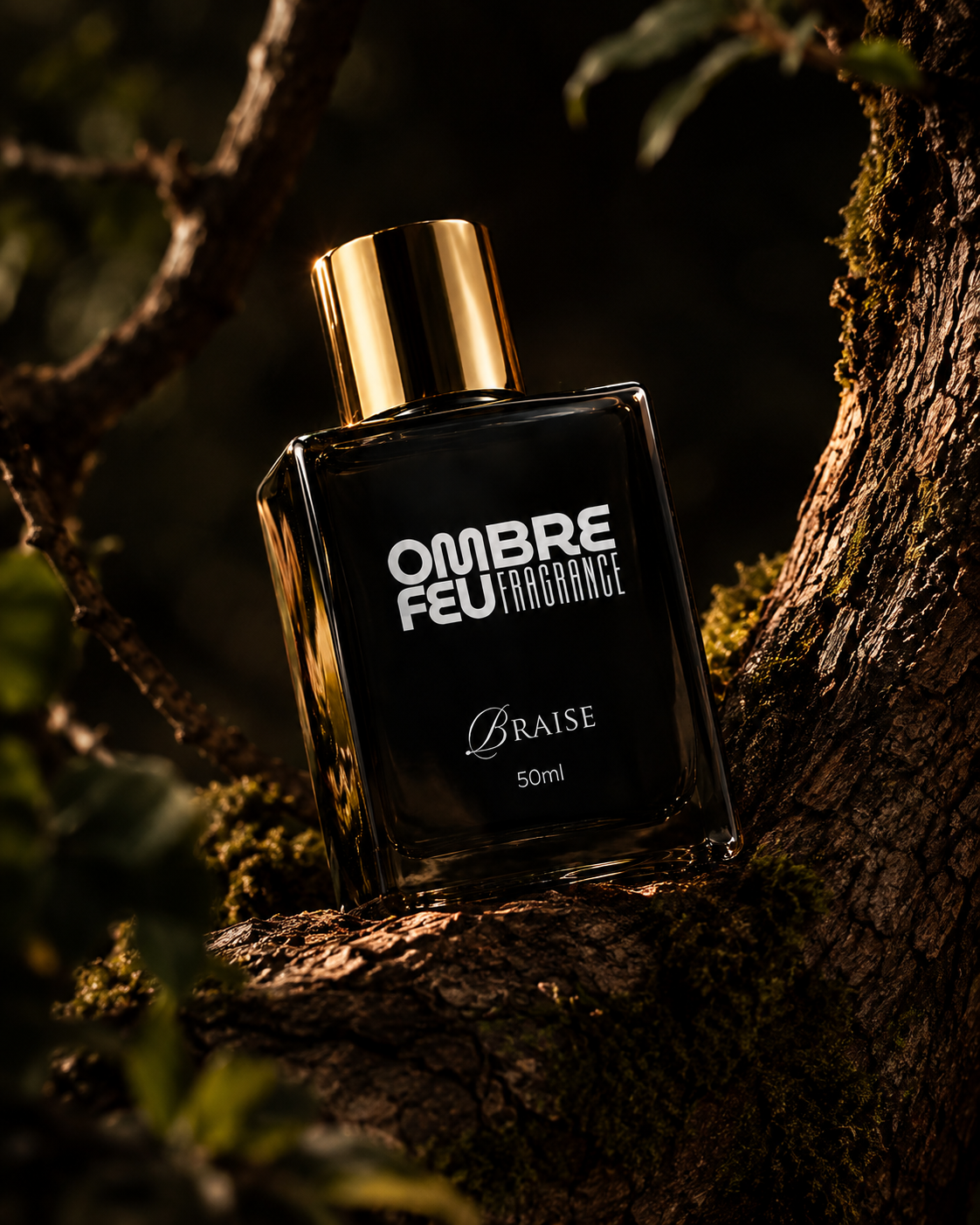
And how do you apply Braise?
Braise #1 is a sweet-woody eau de parfum with cardamom, pink pepper and bergamot in the opening, cinnamon and iris at its heart and a base of vanilla, tonka bean, tobacco, sandalwood and amber. That base lives on body heat: two sprays on the neck and chest are enough, and the fragrance builds itself up over the evening. A third spray on a coat collar carries it through to the next morning.